
What makes an internet meme go viral today is something we think about a lot at Viral Finds USA. Not because it sounds like an interesting topic, but because we kept getting it wrong.
We would watch a meme blow up and try to reverse engineer why. The format seemed ordinary. The joke was not even that clever. The account had maybe 800 followers. And yet there it was, sitting at four million views by Thursday morning while something genuinely creative we had seen earlier that week was stuck at 300.
After enough of these moments, we stopped trusting our instincts and started looking at the actual data. What we found changed how we think about viral content entirely. And a lot of it contradicts the standard advice you will read on other sites.
Table of Contents
What Makes a Viral Meme? And Why Funny Is Not the Answer?
We had to unlearn something first. For a long time we assumed that what makes a viral meme is humor. That if something is funny enough, it spreads. This turns out to be wrong in a specific and important way. Humor is not the engine. Recognition is.
When a meme captures a feeling that someone has been carrying without words for it, a frustration, an experience, something they have thought a hundred times but never said out loud, the sharing impulse fires before the person has consciously decided to do anything. They are already forwarding it. They are already tagging someone in the comments. Not because the content is good. Because the content said something they wanted to say and gave them a vehicle to say it.
This is actually what makes a viral meme different from a meme that simply gets viewed. Views are passive. Shares are active. And what we consistently see in the content that travels furthest is that each share is doing a job. It is telling someone something. “This is exactly me right now.” “You need to see this because we both feel it.” The meme is the message. The shared feeling is what gives it legs.
How Does a Meme Spread on Social Media in 2026: The Part Nobody Covers
The lifecycle of a spreading meme is predictable once you have watched enough of them.
It starts small. One post in a specific subreddit or a niche TikTok comment section. A handful of people see it, recognize it, and the first wave of shares begins. This seed phase is quiet. The meme exists but it has not yet earned the structural quality that carries it outward.
Then comes the step that actually matters. Other people start remixing it. They take the format and drop in their own job, their own relationship, their own specific situation. The remixability of a format is everything. If people can make their own version in under a minute with just a phone, the format travels. If it only works as the original creator made it, the spread stops early. How does a meme spread on social media in 2026? Mostly through remixes that feel personal to the person making them.
After enough remixes, the format crosses platforms. By the time a meme reaches Instagram from TikTok or Reddit from X, people recognize the structure even without knowing where it came from. That familiarity is what makes it feel like something everyone is in on. And it is also what signals that the meme is approaching the end of its useful life.
Most memes peak within 48 hours. That window has actually compressed in 2026 because the volume of content on every platform has gone up. After those 48 hours, the recognition feeling that drove sharing gets replaced by familiarity. And once something feels familiar, nobody shares it. There is nothing left to communicate with it.
This is usually exactly when brands discover it. More on that below.
Why Do Memes Go Viral on TikTok Faster Than Anywhere Else?
This one comes down to something most people do not know about how TikTok actually works.
On most platforms, your reach starts with your existing audience. If you have 600 followers, 600 people are your starting point. TikTok does not operate this way at all. Every video, regardless of account size gets tested with a small initial group first. The platform watches how that group behaves. Do they watch the whole thing? Do they share it or save it? Based on those responses, TikTok either expands distribution or stops it almost completely.
Creators have named this experience the 200 views jail. The video went live. People technically saw it. But because it did not clear the initial filter, it will never reach anyone beyond that first test group. It is not a glitch or a shadow ban. It is the algorithm doing exactly what it is built to do, filtering for content that earns attention rather than simply receiving it.
Why do memes go viral on TikTok faster than anywhere else? Because when content does clear that filter, the push is immediate and enormous. There is no gradual build. It goes from test group to mass distribution in hours. That speed is specific to TikTok’s structure. It does not exist on any other major platform at the same scale.
What has shifted in 2026 is the threshold. The completion rate required to clear that first filter has risen. Two years ago getting around half your viewers to finish a video was enough. Now the bar is closer to 70 percent. Seven out of ten initial viewers need to watch to the end. This is precisely why shorter content dominates when we look at what makes an internet meme go viral today TikTok specifically. A 12 second clip is far easier to hold people through than a 40-second one. Every second added reduces the percentage making it to the end. Every percentage point drop in completion reduces the chance of wider distribution.
There is one more shift worth knowing. Shares and saves now carry much more algorithmic weight than likes on TikTok. A like tells the platform you watched something. A save says you want to return to it. A share says you believed someone else needed to see it. That last signal is the strongest one the algorithm responds to. A video with 5,000 views and a 3 percent share rate is performing better by TikTok’s internal measurement than a video with 80,000 views and almost no shares.
What Makes an Internet Meme Go Viral Today on TikTok Versus Other Platforms
The same meme does not spread equally everywhere. This is something we had to learn by watching content underperform on platforms where it should have done well.
On TikTok, audio is load-bearing. Attaching content to a trending sound is a genuine distribution shortcut. The algorithm places your video alongside others using that same audio, meaning the audience already engaged with that sound encounters your version without searching for it. Without audio, the same content will underperform on TikTok even if it would travel well somewhere else.
On X, the viral format is dry, punchy text. Sarcasm and brevity dominate. Instagram rewards visual quality and carousel engagement. Reddit rewards specificity; a meme that references something deeply specific to one community will always outperform a broad general meme within that space, because Reddit users respond to the feeling of being seen by their particular group rather than a general audience.
Cross-posting the same asset to every platform without adapting the structure is where a lot of content quietly dies. The format feels native in one environment and slightly wrong in another. The audience senses it even when they cannot name what bothers them about it.
How Do I Make My Meme Go Viral — What the Data Actually Points To
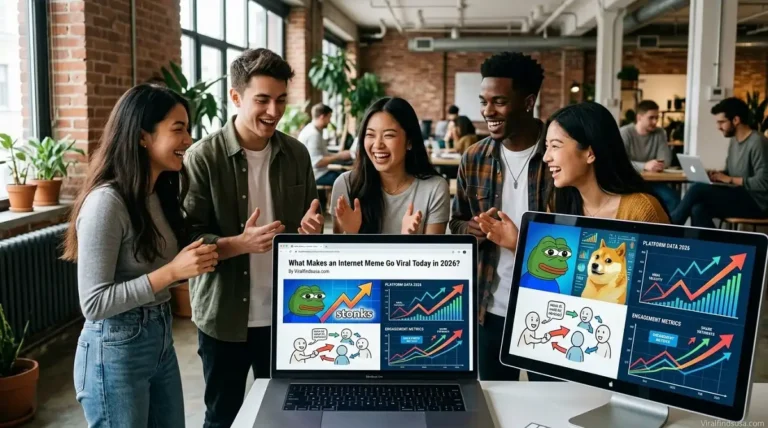
When people ask how do I make my meme go viral, the advice they find is usually vague enough to be almost useless. Post consistently. Be relatable. Use trending sounds. Fine. But none of that changes anything on its own.
Here is what the 2026 platform data actually shows.
The first hour after you post determines roughly 80 percent of a video’s viral potential on TikTok. Not the first day. The first hour. Posting time is not a detail. It is one of the most important variables in the whole equation. Sunday evening, Tuesday mid-afternoon, and Wednesday late afternoon are the windows that consistently show higher initial engagement. The test audience TikTok serves your content to during those windows is more active and more likely to share, which generates a stronger signal for wider distribution.
There are specific engagement ratios worth tracking rather than raw numbers. If your share rate reaches above 1 percent, one share per 100 views, you are creating content people want to pass along. If your save rate reaches above 2 percent, you are creating content people intend to come back to. These two numbers matter far more than your total view count. Raw views with no shares or saves tell the algorithm that people saw your content and moved on.
The content formats that most consistently trigger algorithmic distribution in 2026 are the delayed reveal, the relatable story arc, and the unexpected comparison. The delayed reveal works because it forces completion. You open with a question or premise, then hold the payoff until the final seconds. The viewer needs to watch to the end to get the resolution. That completion signal is exactly what triggers wider push.
The Real Research Behind What Makes a Viral Meme — Numbers Most Sites Ignore
We went through academic research on meme virality specifically because we wanted data rather than intuition.
Researchers analyzing thousands of real Reddit memes to identify what predicts spread found results that went directly against conventional creative instinct. Memes using less saturated color palettes, muted tones, light gray, dark gray- spread better than brighter, more visually striking images. The assumption when creating shareable content is always to make it bold and eye-catching. The actual data says the opposite works better.
The reason holds up once we think about it from the user’s perspective. A meme that looks produced feels like content. A meme with a raw organic look feels like something a real person made because it was true. On a feed full of polished posts, the item that stops a scroll is often the most unintentional-looking one. We notice this consistently in what we track at Viral Finds USA. The less produced something looks, the more it reads as a genuine find rather than something manufactured for distribution.
Posting time mattered more than researchers expected, too. Memes posted in the midday UTC window showed statistically higher virality than those posted at other times. The platform behavior at different hours affects how quickly content gets initial traction, which affects everything that follows.
Why Brands Kill Memes Every Time They Touch Them
This is the thing almost nobody covers honestly when writing about what makes an internet meme go viral today. And it is worth a full section because it reveals something important about how the recognition mechanism actually works.
Every meme that goes genuinely wide will eventually be discovered by a brand marketing team. And almost every time a brand formally joins a meme format, the organic community abandons it within days. Not because the brand’s version is bad. Because its existence signals that the format is no longer a shared discovery. It has become a marketing vehicle. And the moment that happens, the recognition trigger, the feeling of being in on something real with other real people, disappears.
We watched this happen with multiple trends in 2025 and early 2026. The format was alive, the remixes were multiplying, and the organic spread was genuine. Then three or four brand accounts posted their versions in the same week. By the following week, the engagement data on the format had dropped sharply. Not because the audience consciously decided to leave. Because the feeling that made sharing meaningful was gone.
The small number of brands that have navigated meme culture without destroying it did so by becoming the subject of the meme rather than the creator. They made themselves the joke instead of telling the joke. That distinction requires an organizational confidence and willingness to look ridiculous that most corporate teams genuinely cannot stomach. But it is the only approach that does not immediately read as a brand who saw the trend two weeks ago and is now trying to profit from it.
For anyone thinking about how do I make my meme go viral while working with a brand or a business account, move before the format gets well-known. The seed phase and early remix phase are the windows where organic content still has full reach. By the time a format is covered in marketing newsletters, the window has usually closed.
Timing Is Everything — What the Squishy Dumpling Trend Taught Us
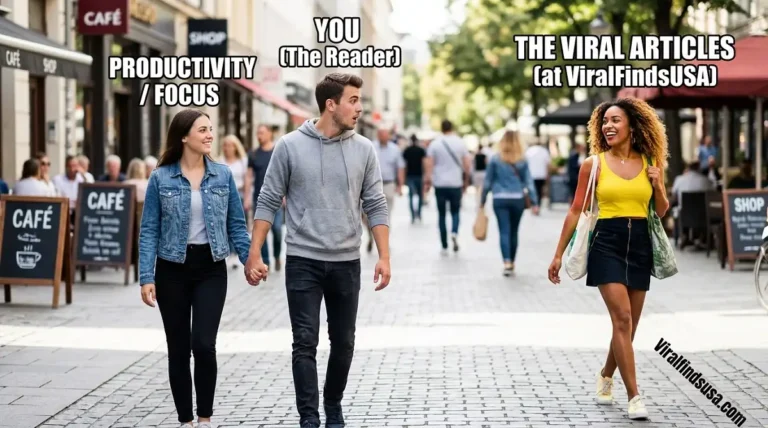
We covered the viral squishy dumpling trend earlier this year and it became one of our clearest examples of how timing shapes everything in viral content.
The trend followed the exact lifecycle described above. Niche origin, remix explosion, platform crossover, saturation. The content creators who posted about it during the seed and remix phases got genuine organic reach. The ones who joined after the peak were essentially documenting something that had already happened. Same format. Completely different results.
The lesson we took was not just about memes. What makes an internet meme go viral today is inseparable from when you show up. Arriving early means your content lands in an uncrowded space where the algorithm has not yet seen a hundred versions of the same format. Arriving late puts you in a saturated window where differentiation is nearly impossible.
This timing principle shapes everything we cover at Viral Finds USA — memes, products, TikTok trends, deal windows. The mechanics are the same across all of it. Early entry changes the math entirely.
You can see how this plays out in detail in our piece on viral products in the USA and in our honest look at what TikTok viral products actually deliver once a trend peaks. The same forces that carry a meme carry a product trend. Understanding one helps you read the other. And at Viral Finds USA reading those patterns early is the whole point.
Questions We Get Asked About This
What makes a viral meme different from content that just gets viewed?
A viewed meme got seen. A viral meme got sent to someone. The difference is whether the content gave the viewer something to communicate a feeling, a shared frustration, a moment of “you need to see this.” Views are passive. Shares are active. Virality lives in the share.
How do I make my meme go viral if I have a small account?
TikTok’s algorithm does not weight follower count the way other platforms do. Every video gets tested with a fresh audience first. Your job is to clear the completion threshold in that test group. Keep the video short, build a hook in the first second, and hold the payoff until the very end. One video from a zero-follower account can reach millions if it clears the initial filter. That is not hype. It is how the distribution model actually works.
Why do memes go viral on TikTok faster than on other platforms?
Because TikTok tests before distributing. Content earns wider reach rather than starting with it. When a video clears the filter, the push is immediate and massive. No other major platform has this structure at the same speed.
How does a meme spread on social media in 2026?
It starts in a niche community, gets remixed by early adopters who personalize the format, crosses platforms as familiarity builds, peaks within 48 hours, and then either fades naturally or gets adopted by brands, which typically accelerates the end of its organic life.
What makes an internet meme go viral today versus a few years ago?
The completion rate threshold has risen sharply. Shares and saves carry far more algorithmic weight than likes now. AI generated content has added a new absurdist layer to what gets engagement. And the peak window has compressed — trends that used to have a week of momentum now often have two or three days before the audience moves on.
The Part That Does Not Change
Algorithms shift. Platforms update their weighting. The completion rate threshold moved from 50 percent to 70 percent between 2024 and 2026 and will probably move again. The specific mechanics of what makes an internet meme go viral today will look different this time next year.
The core stays the same. Someone sees something that captures exactly how they feel and they want one specific other person to see it too. Everything else supports that moment rather than replacing it. Get the feeling right first. Use everything above to give it the best structural chance of traveling.
That has been true since memes existed. It will still be true when every other detail in this article has been rewritten.
Read Related Posts: